

After 235 years of being lied to, it’s a big ask of Australia’s First Nations People to accept that if, this one last time, they support an institution borne of the coloniser’s constitution it will result in sufficient national goodwill that, for the first time, a majority of Australians will start viewing themselves as a Treaty Partner. Only at that treaty table can the ultimate legal issue of co-existing sovereignties be negotiated and settled on just terms.*
*by way of acts of parliament(s).
5 February 2023
Updated 2 July 2023
—
Australia’s First Peoples and Nations lost their voice in their own affairs beginning 22 August 1770 continuing through to the present. On that date, an agent of the British Crown named Captain James Cook took possession of the east coast by his use of magic legalese words and a magic cloth. Through the cunning use of flags, Cook claimed possession while not even standing on the Australian Mainland. The only voices that then mattered carved up First Nations lands and waters whilst sitting around swish rooms in London. Cook’s main backer, the Earl of Sandwich, the guy who invented the sandwich, had the loudest voice. Although they lost their voice in their own affairs, they never lost their voice and that voice has never, ever, been silent. The majority of non-indigenous Australians have just never properly listened and the notion of a treaty to them is a remote and laughable concept.
What follows below is an attempt to explain the legal mechanics and historical weirdness of the heist of a continent by magic (in polite circles, known as Blackstone’s formulation). The retelling emphasises the laughable and weird of the historical/colonial fact-book. At the end of it, the reader who feels a treaty is laughable ought to have some understanding that it is the only way we can square away our existence on these lands and waters. Especially in the face of some, at-times laughable but largely tragic and cruel history. This piece is written from the perspective of a fourth-generation Australian Māori (Ngāpuhi/Te Kapotai). Many well-meaning folks often look across the ditch and mumble that we simply need to emulate what happened in Aotearoa in 1840 in our own march towards a meaningful treaty. I caution against that. The two histories cannot be analogously melded and I briefly touch on why. Australia needs to find its own path to its own just and equitable settlement for past wrongdoing. We can’t Pavlova/Crowded House or Russell Crowe this one in. Australia needs to do the mahi (the work).
* * * * * * * *
What is the magic heist of a continent? By ‘magic’, I mean the powers vested in King George III’s agents in the Pacific by virtue of the Crown’s ability to control the then most powerful navy on the planet. There’s a reason for a past Australian obsession with 21 gun salutes. Supreme naval power enabled the taking of physical possession of land and waters without continuing physical occupancy of them for another 18 years. No other colonial power colonised them so by 1788 the British had made the conscious decision to dump a sizeable portion of the underclass spat out by the Industrial Revolution (plus soldiers to guard them) here. For me that is Wallumedegal/Wallumettagal and Dharug/Darug Country. First Country stolen by way of the Field of Mars Grant in 1792.
Sovereignty was never ceded by the Snapper Clan. But their traditional lands and waters occupied the high ground overlooking the first British Garrison established at Parramatta in 1790. It was also the first arable land that the starving and ragged colony at Port Jackson found upon a sweep upriver. So, via a magic document (Royal Charter) written by a mad king, they stole these lands and waters and granted title to Royal Marines.
“Straya happened” partly to make up for the American Colonies George III lost, partly to jettison the bodies that would foment a revolution against the British Crown as was occurring across most of Europe to the Sovereign’s rellies, and partly to occupy the territory so someone else wouldn’t – a real life game of Risk if ever there was one. European Colonialism isn’t something that “just happened”. Some thought and planning went into it.
The whole process was extra kooky when you consider George III possibly lacked capacity on the date possession was taken by Cook. Yes, this is an inconsequential blip in the larger picture but 1770 saw one of his early phases of talking to a rosebush he believed was his cousin the King of Prussia. So, on a legal technicality, you could void Cook’s Heist. Sadly, there’s no 1770’s common law authority that says a Sovereign must be certified as sane in order to receive stolen land and waters. People marrying their cousins for several generations is a surefire way of sending a gene-pool down the toilet. Go European Royalty!
Not surprising that Australia’s current legal owner King Charles III is a descendant of the same line. Clive James was convinced Charles talks to trees and I for one believe him. His son William, the future Head of State on both sides of the ditch comes out of the Harry-Meghan Nuclear Option looking like a bloke you don’t want in your house. Ironic considering that, as King he’ll be the guy who’ll be granting you the right to occupy your house (or more likely your landlord’s) because that’s what a Crown Grant in Fee Simple actually means.
When it comes to Australia, the Brits did the legal act of dispossession by way of might, madness and viciousness. When it comes to Aotearoa they did it with might and guile with a hint of madness in later claiming to not understand some really simple shit in Te Tiriti o Waitangi. Once 19th Century Pakeha did away the gesture of treaty they had no intent of upholding, then came the viciousness.
Terra Nullius being applied to Australia was just nonsense that came later in the mid 1800’s as a reverse-engineered justification by the NSW Supreme Court for British occupation.* Cook knew there was a civilisation here. Likewise in Aotearoa where he claimed a chunk here and there. By 1839 the Brits couldn’t overdo the shoot n’ landgrab approach to securing title in NZ land because Māori were accustomed to agreements with Pakeha being made and consideration being paid by missionary-churchy types. The first European whaling settlement in Kororāreka was also a pretty loose place because it was commercially driven. Fungible tokens were now in play.
Leaning heavily on many actual historians but mostly Bain Attwood whose work looks at both sides of the ditch properly, it seems Cook formed the basic view that both sets of natives were incapable of militarily overpowering the British, therefore they did not need to be treated with. Plant flag, claim land, sail away. Whether the natives engaged in trade with him, as the Māori did or whether they completely blew Cook off because, quite frankly, the trinkets he tried to push on the natives of New Holland were useless to them, this Cook bloke still knocked off a lot of land.
Despite Cook and Joseph Banks admiring Māori villages and diarising clear indicia of land ownership by them, Cook did the same magical flag wavey thing there in 1769-70 also. At his Tōtaranui stop, Cook had to bribe the locals with three pennies, nails and an empty wine bottle as an incentive to not pull down his magic flagpole after he left.
This chopping down flagpoles thing later became a repeating meme of enforcing the terms of Te Tiriti as Māori understood them to be and still understand them to be. The great historical irony remains that, amongst the rationales of the various chiefs who signed the treaty, many factored in the first-hand knowledge of what the British did to the “natives of Port Jackson”. Ngāpuhi rangatira (chief) Hongi Hika visited England and the Port Jackson colony in 1814. His reportage of the might of the British Empire and the total and utter destruction they wrought on Gadigal and Darug Country spurred many Māori signatories put quill to parchment in Waitangi 1840.
Cook’s use of an uninhabited island to claim the Australian mainland suddenly doesn’t look so nonsensical. He needed to plant his flag where the locals wouldn’t nick it. His diaries for claiming possession of New Holland report that some local mob did turn up and eye him off before shrugging their shoulders and walking away – never in a million years conceiving that a pretty whacky looking ceremony was about to take place and it would mean the decimation of their peoples within their lifetime.
Talk about the opposite of a meeting of the minds.
Australia is now a country where pretty much most people grasp the vibe of what a Welcome to Country is. Our top sporting codes sometimes breed a tornado of alcohol-fuelled and gambling-driven pain, but on the issue of putting the very basic notion of traditional ownership before the voting bogan and helping them make sense of it, they’ve mostly done good.
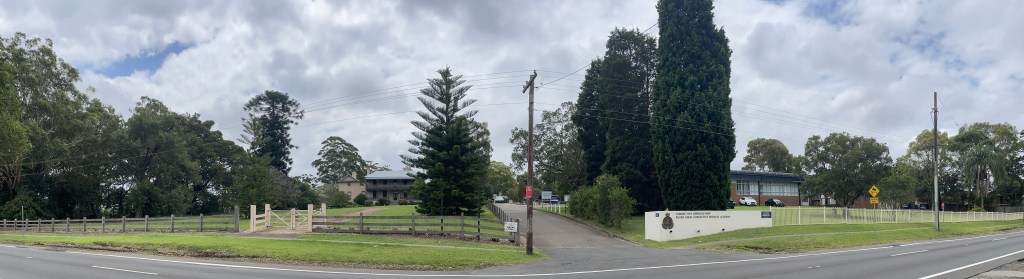
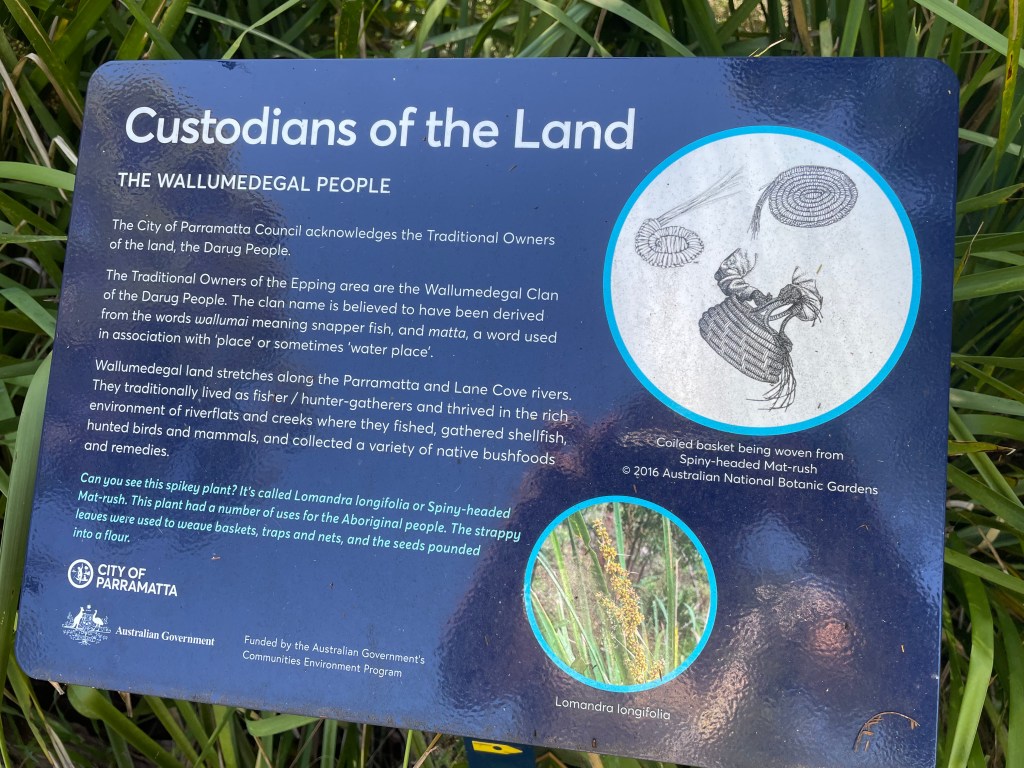
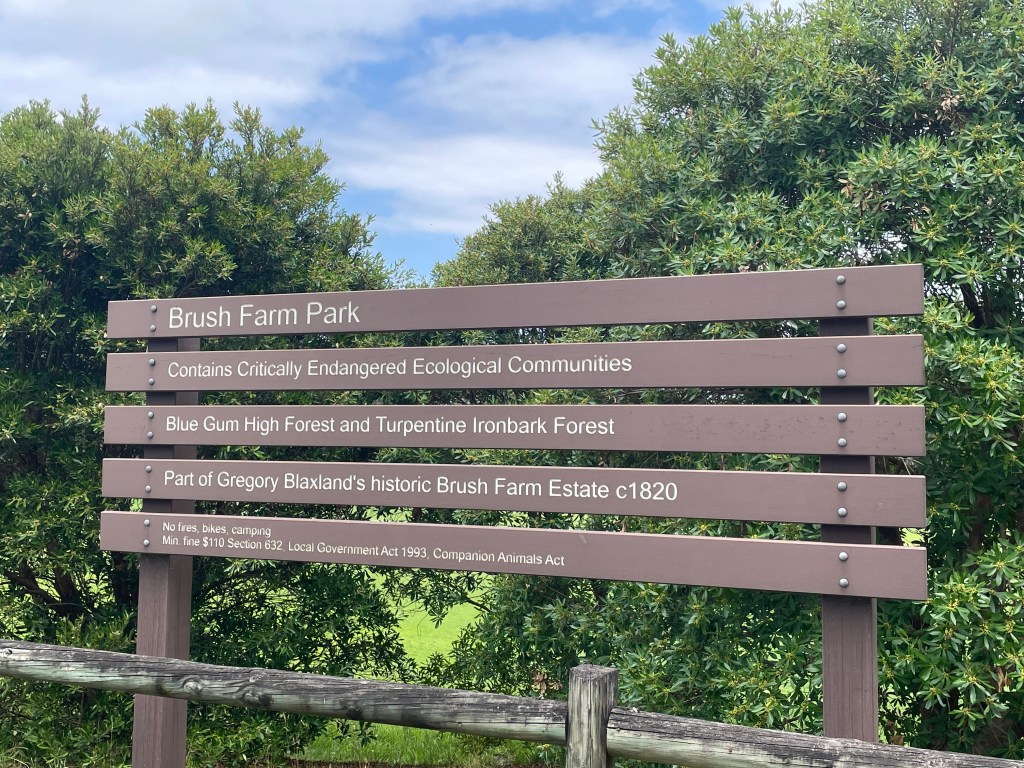
Of course, there’s still plenty of work to be done by elite sports clubs in ensuring indigenous athletes are not treated like chattel on a 19th Century cattle station or like chattel in any Australian prison between then and now. Our indigenous folk are the most incarcerated people on earth. I’ll let the pictures below tell the ironic story of how the first lands stolen on Wallumedegal/Wallumettagal Country are now being put to use. Note the council signage refers to no usage or custodianship of the land. The lands encompassing the Field of Mars Grant kept the NSW Colony alive and supplied with fresh food and water in the 1790’s. At-least you might argue the Crown has been consistent in its use of these lands since it nicked it.
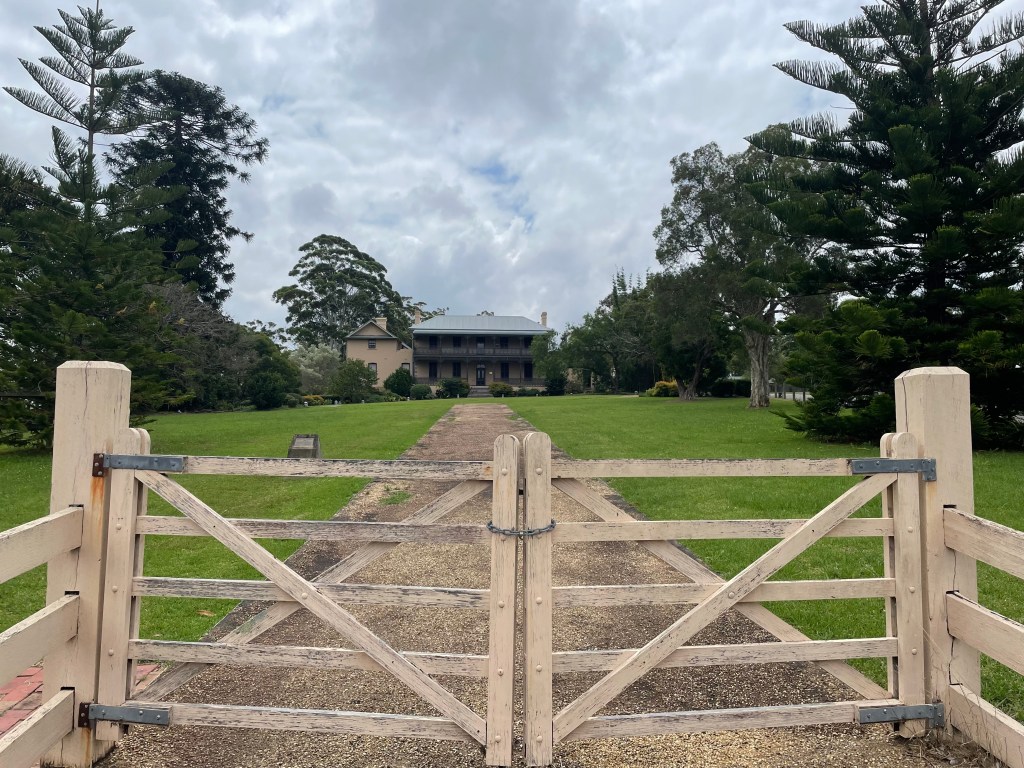
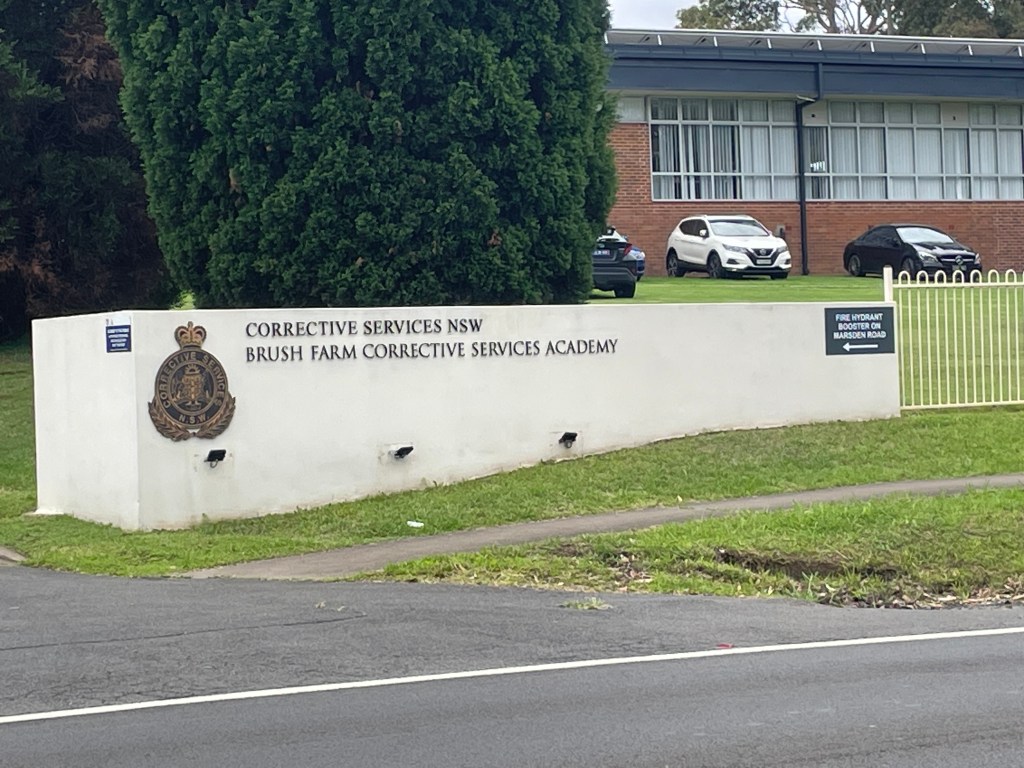
Incidentally, this was the dwelling above (Brush Farm House) in which many early Crown Grants were actually written up, issued and proclaimed. Now the land is used to train officers to guard the descendants of the dispossessed and we don’t ever really talk about it. The Great Australian Silence over some very basic stuff, continues.
My point is that a majority of Australian voters will be going into the referendum with a greater level of understanding of their history. During Mabo No. 2 and Wik the overwhelming majority of the electorate, fearing the implications of Native Title on the family home would have run a mile from the notion of acknowledging pre-existing laws and customs. The Libs & Nats made sure they did. Let’s not let them do it again with the Voice, using the same weaponry they’ve always drawn on; fear, scare-mongering and flat-out bulllllllshhiiiiiit.
For funsies, the British Crown acknowledged Native Title in New Zealand roundabout the mid-1800’s when it became apparent that they couldn’t just nick land as the locals had guns and numbers. Sovereignty would have to be negotiated and consent for the transfer of ownership of land would have to be sought.** This view challenges the standard view that Native Title in NZ emerged with the creation of the Waitangi Tribunal in 1975 as means of resolving Maori claims over British/Pakeha breaches of the treaty, go follow the asterisks for more info.
To date, the more traditional and well-known understanding of Cook’s subjective state of mind in taking possession of half a continent was that his acts were more akin to an agent of Empire staking a claim in land for the purpose of establishing a prior claim against another colonial power. This is essentially true.
But “EVERYONE was doing it” which apparently made it ok. There’s a remarkably similar psychology at play between a kid who smashes up a hotel room with his mates and an Empires that go around the planet laying claims on landmasses where other people live.
Colonialism was our civilisational adolescence. De-colonialism is the path to civilisational adulthood or at-least something marginally better than scarcity-driven societies acting like savages against societies that we labeled as ‘savages’. Indigenous societies that lived in balance with their lands and waters, and knew how to extract a surplus from both without resorting to war and theft against a neighbour or other co-habitant of the planet.
The British Crown was, and has always been, the embodiment of savagery and savages.
For the intervening 18 years between Cook taking possession and Governor Arthur Phillip assuming sovereignty of New South Wales on 26 January 1788, all those other colonial powers had a voice or opportunity to occupy these lands and waters. They didn’t. The British did. The people living here for 60,000 years didn’t have a voice and that’s… sorta what we’re trying to partially rectify with the enshrining of a constitutional mechanism to give them one. One that can’t be snatched away by conservative capriciousness.
A fuller understanding of historical facts has come to light and the founding written agreement which created Australia needs to change. It’s that simple. It’s about recognising these facts in a manner that future governments can’t undo unless by way of further referendum. More on that later.
I’ve barely even touched on one half of the Australian continent in skipping through all the dealings in east coast Country. Now for the west coast and Lutruwita/Tasmania.
It’s an eerily similar pattern but with clogs.
1602 – Dutch East India Company (VOC) formed to steal anything on the planet not nailed down.
1642 – An employee of the VOC landed on and took possession for the company of what is now called Tasmania. But he decided to name it Van Diemen’s Land after his boss, because that’s what a good company man does.
Not that the Dutch stuck around, but the Palawa People living on this island had no voice any of this nor in what the British did in one of the fiercest and most structured theatres of the Australian Wars which followed 180 years later.
1699 – A Science-Pirate from England called William Dampier landed in a spot on the west coast of what he called New Holland. He named the location Shark Bay. He was an ideas man.
The Malgana, Nhanda and Yingkarta people had no say in any of this or in any governance framework inflicted on them as the British Colony expanded west across the Nullarbor and east from Perth. Dampier didn’t stay, but he provided maps and data to enable future agents of the British Crown to locate and lay claim to Terra Australis in future.
Whatever your preferred gender pronouns, you can apply a real Wild De-colonial Boy approach to our history by revisiting what Cook taking possession and Phillip assuming sovereignty of NSW actually looks like when you slowly step through the chronology of it all. Sure, another boatload of Frenchies could have ripped up Cook’s markers between 1770-1788 and claimed possession or the Dutch, Spanish or Portuguese. But they didn’t. We have to deal with the historical facts as they are. Sometimes that means disregarding over-contextualised excuses for past conduct. Sure, you can accept Cook and Phillip as creatures of their time and not lay a modern lens over things but this is not an argument about their intent, its about making good for the destruction wrought on a people by agents of the British Crown acting on instruction from their principal. At-least that’s what the various charters and decrees say. But let’s start the make-good with the founding document.
What is the Constitution but a written legal agreement between a bunch of former colonies of Britain. Legal agreements get updated and amended as new facts come to light or times evolve and change, giving us a new slant on previously known facts or simply the courage to face the old facts head on without flinching: there was an invasion followed by theatres of war where physical possession and control of land changed hands. Guns, germs and steel. The British were partly able to expand to Parramatta and the fertile Cumberland Plain because smallpox decimated the Wallumedegal/Wallumettagal and Darug Peoples who controlled those lands. Flying musket balls and fear of them did the rest. The Crown’s agents rewarded the victors (a troop Royal Marines) with the first land grants in 1792. The Fatal Shore take on this was that Phillip wanted to keep men of good breeding in the colony when he alienated the first parcels of land that Cook originally claimed possession of 22 years prior. I’m figuring the Bicentennial plaque below goes with 1794 as being the date the grant was issued but I’m sticking with 1792 being the year it was surveyed. If an agent of the Crown is surveying land in 1792, they are evincing an intent to steal it.
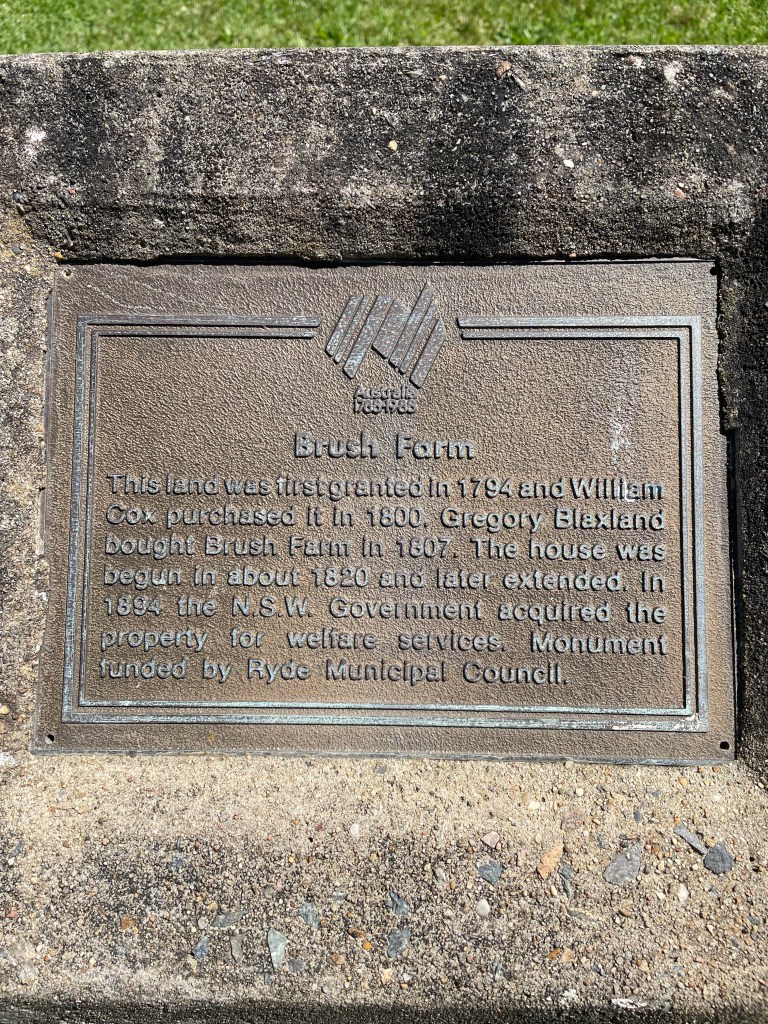
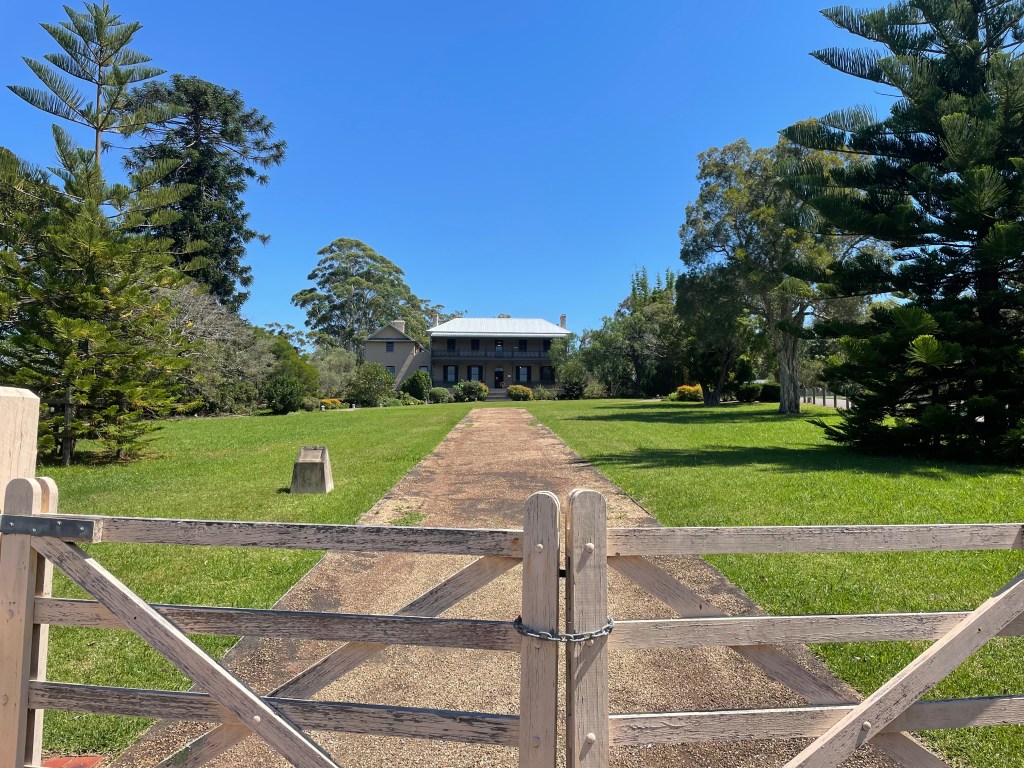
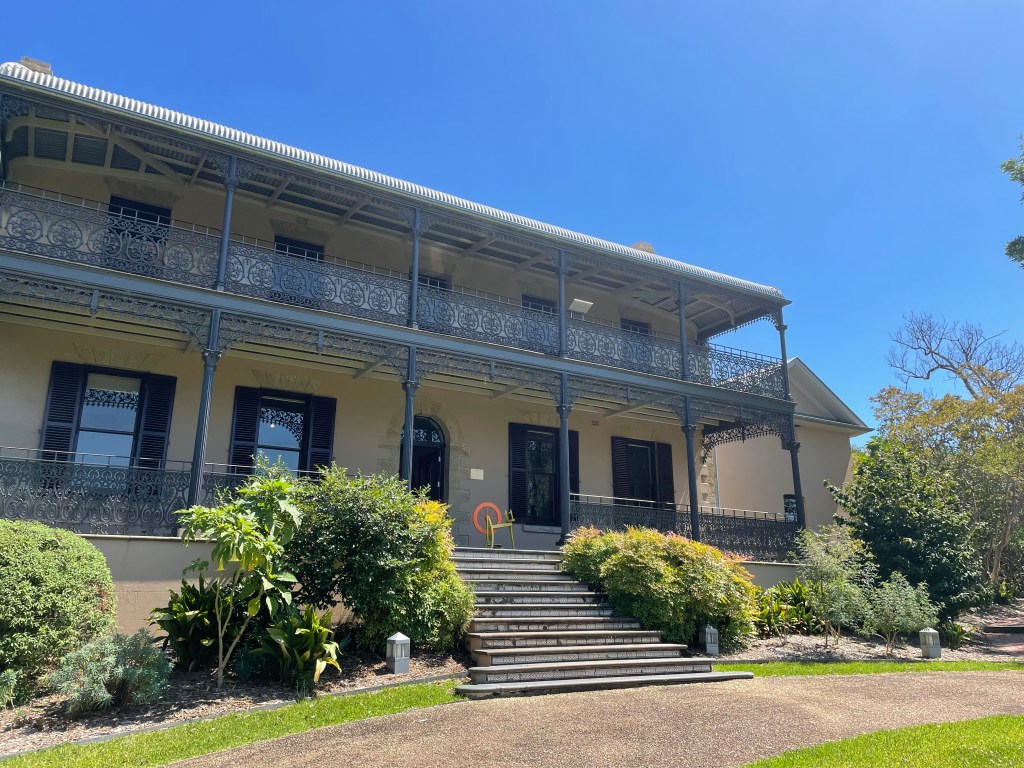
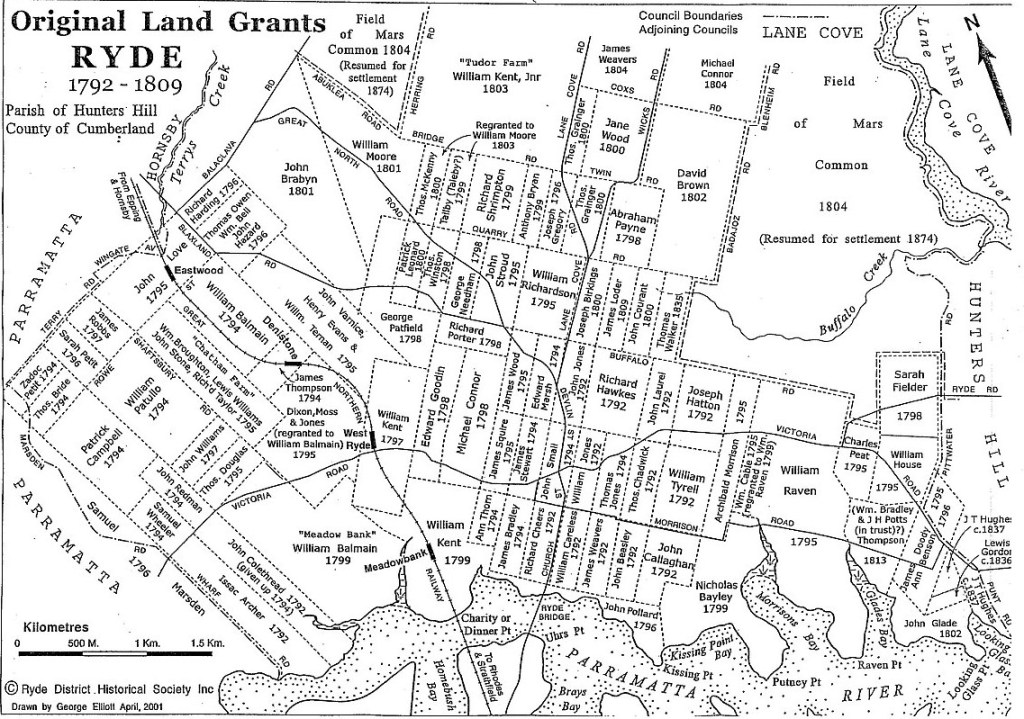
A retrospective tip for Arthur Phillip. Maybe don’t go naming land grants after the Roman God of War if you want the colony’s descendants to believe the rubbery ambiguity around peaceful dispossession. What also doesn’t help was this habit of the ‘soldier-settlers’ naming every second road in the Field of Mars after British-European and colonial military victories.
- Waterloo Road (Belgium, 1815)
- Talavera Road (Spain, 1809)
- Balaclava Road (Crimea, 1854)
- Vimiera Road (Portugal 1808)
- Culloden Road (Scotland 1746)
- Khartoum Road (Sudan 1884)
- Crimea Road (Crimean War 1853-1846)
- Abuklea (Sudan 1885)
- Corunna Road (Spain 1809)
- Sobraon Road (India 1846)
- Agincourt Road (France, 1415)
- Herring Road (France 1429)
- Busaco Road (Portugal 1810)
- Albuera Road (Spain, 1811)
- Fontenoy Road (Belgium, 1745 the Brits lost this one)
Random order. Probably missed a few. Here’s a snippet for what passed as Local History during the 1980’s from some local historical society for whom history began at 1792.
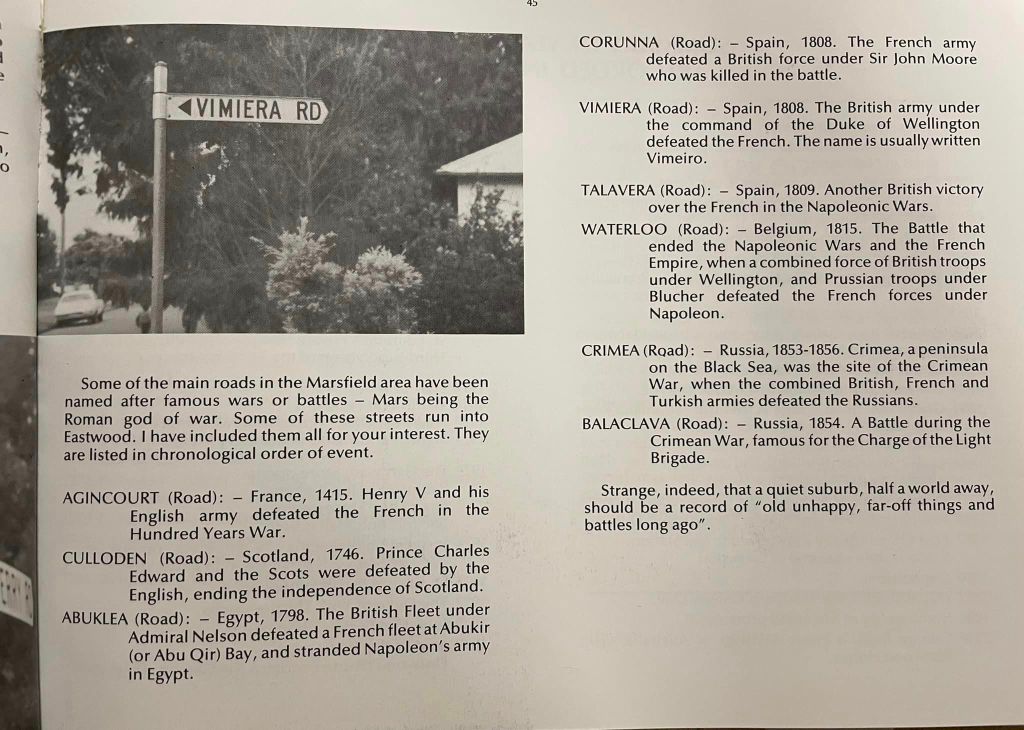
The historians of the 80’s merely put this down to being “strange”. But it makes perfect sense when you factually walk through the history of 1788-1792 and beyond.
For 235 years the majority of non-indigenous Australians have held to the orthodoxy of Britain’s assumed sovereignty in 1788 being a case of “and that’s that”. Like Cook, Phillip formed the view that if the natives couldn’t overpower the colony militarily then he could just assume sovereignty and deal in land as the powers granted by the Crown enabled him to do.
The weird little property law-centric tale told above is what assumed sovereignty looks like on the basis of it being “and that’s that/end of story”. A familiar tale of the strong crushing the weak.
The fuller expression of nationhood offered in the Uluru Statement from the Heart presents a much more satisfying and decent basis upon which to assume the sovereignty which holds our current system of government and occupation of these lands and waters together.
* * * * * * * *
In the opening paragraph I used the terms ‘magic legalese’ and ‘magic flags’ pejoratively because it takes a gigantic leap into absurdism to square away the ethics of failing to properly recognise Australia’s indigenous peoples in the founding document from 1901 – 2023. Let’s fix this first. Let’s get it over the line. Damn the distractions. Don’t repeat em, don’t give em airtime or water cooler time.
Constitutional recognition is also a magical thing but in a good way. The document is essentially a piece of paper that reflects the agreement of what 25-million people (bar a handful of batshit Sov Cits) agree upon. They agree that Australia as a functioning polity exists as a real and tangible thing. All the culture, ideas, vision, pride and day-to-day identity of being an Australian is all the stuff that has magically come into being because of the pre-existence of this one underlying document. Point: David Boon drinks 52 beers on a plane and a whole generation of Australian men decide that this is what it means to be an Aussie. Now that IS Magic and deluded.
If stepping through the facts and hearing the truths to come (for the first time) is a ghastly slap of moral horror for non-indigenous Aussies, imagine what it must feel like from the perspective of the dispossessed.
235 years of unbelievable barbarism and cruelty. How have they responded? Some of them huddled in the desert in 2017 and emerged with the Uluru Statement A most astoundingly generous offer to walk with them.
Amending the Constitution in favour of those with 60,000 years prior possession of these lands and waters will help Australia move forward on that walk, to truth telling and a treaty, eventually towards what the authors of that offer call a more fuller expression of Australia’s Nationhood.
For context, every single person in Australia who is NOT indigenous provides independent advice to Parliament and Government all the time. Think Tanks, corporate lobbyists, esteemed academics, captains of industry both local and global, unions, sports people, ex-MP’s, ministers of religion even celebrities.
At the barest minimum, the referendum passing would mean the tacit (but not express) acknowledgement of the prior possession and yes, sovereignty, rooted in pre-existing laws and customs going back to time immemorial. If the majority of Australia can grasp that. A meaningful treaty will eventually be possible. A referendum result trumps a High Court judgment any day. There are some fixated on the order of Voice, Truth, Treaty. The way my lawyer-brain puts things together I’m seeing a central Voice as having the best shot at setting up a comprehensive Makarrata Committee where a truth telling process can foster a treaty agreement reflecting what actually happened during the Great Australian Silence. But that’s just me. Perhaps Australian Māori are the last bloody people who should be giving out treaty advice to anyone. In many respects, the failure of Te Tiriti is what forced my tupuna to cross the ditch to Sydney in 1910. As a body politic, well-meaning Australians do need to stop flippantly holding up the Treaty of Waitangi as “a thing we should copy.” We need to do our own homework, not copy someone else’s. When it was signed in 1840, the Brits were not in a position to forcibly dispossess Māori. They, mostly Ngāpuhi, were already well armed with modern weaponry and had the numerical advantage.
Conversely, in the Australian colonies, 1840 marks the period where the Squattocracy cemented title to land by having their claims under the common law doctrine of Adverse Possession recognised by way of Crown Grants. That’s how the Australian Mainland and Lutruwita/Trowunna/Tasmania was stolen – by the squatter mounted on his thoroughbred backed up with state-sanctioned violence (troopers 1, 2 and 3). The colonists’ possession of land was adverse to the Crown of course. It would’t be until Mabo No.2 in 1992 until these pre-existing rights to land would be recognised by the common law. Justice Brennan’s use of Radical Title to posit that recognition of rock fences on Mer Island evincing a system of land ownership that the European mind could understand, means that people were living here before us. Ergo terra nullius was over-ridden by the same logical postulate that eventually played out in Aotearoa, Canada and parts of Africa and the Caribbean. That’s where the High Court ultimately sourced this doctrine. From the jurisprudence of our Westminster common law cousins ie other places Britain stole with magic flag-wavey stuff. We still held on to the doctrine of Feudal Tenure meaning that the colonisation of Australia, instead of being a Norman Conquest-style taking of possession, was instead something akin to the rights to land obtained by the Discoverer’s (Cook, Phillip), being subject to the pre-existing and better rights of the first occupiers. Ergo the Crown’s Title is burdened by a Native Title. Howard of course watered down this new Australian common law precedent into a Native Title Act 1993 which, over time through to 2023 has morphed into a watery cordial version of the thick, Mānuka Honey/Tea Tree Honey version the court gave us. That stuff is magic. In response, Howard scared the nation shitless over Wik. None of the nonsense venom he spouted ever came to pass. Howard lied. Who knew eh.
For that nutty uncle arguing that Native Title and “Mabo squared things.” No, it bloody didn’t.
The Indigenous Voice to Parliament as proposed in its first drafting is a leveller in its simplicity. No need for me to discuss models because it’s the principle, stupid. Let’s accept the generous offer to establish the Voice. Then let’s listen to it and the truth telling to follow. May the Statement lead to a Voice, to Truth then to Treaty and to the co-existence of two sovereignties. The one that existed for 60,000 years and the one that existed for 235. The latter sovereignty, as I’ve illustrated is technically based on sailors in lice-infested wigs prancing around the globe in boats and stealing shit for mad old men in perfumed wigs who lived in big castles – all them simply a pack of inbred cousins – the families who ruled European nation-states as empires.
The former sovereignty is ancient. It is from-and-of-the-soil and waters, it is predicated on prior discovery and occupation, solid rock, sacred ground. Not conquest and theft. Nothing in the Voice proposal risks the ceding of this sovereignty. To the Blak Sovereignty Movement: you can still mount your case for a separate sovereignty within the construct of the Voice to Parliament. However, friends, you can’t have a treaty without a treaty partner.
A treaty is ultimately the one document resulting from a settlement that isn’t magical, or “magical or mystical” as Prof Megan Davis said. It will be by way of Act of parliaments in all states and territories subject to commonwealth parliament’s constitutional hitting zone. We elect parliaments, those parliaments make laws.
The Voice to Parliament is a means to an end. The Voice is a proposed first step of how to get there in a manner that prevents future governments kyboshing the march to treaty. When that ultimately happens, love, logic and equity win. Injustice loses. It will mean we chose to walk with them.
Vote yes.
————–
*Bain Attwood, Empire and the Making of Native Title: Sovereignty, Property and Indigenous People Cambridge: Cambridge University Press, 2020. p56 (but the whole chapter really). The colonial history parts of this article are partly a sweary re-take of Attwood’s work. It accords with my own innate view that you can’t understand the conduct of the British in their dealings with Australia’s First Nations without comparing it with Tangata Whenua. Go read the book.
**Ibid p36
 Mat Henderson